
The Research & Evidence
Everything we do at Playground Engagement is grounded in research. Explore the science and evidence behind why structured, purposeful play transforms children's wellbeing, learning, and development.
40+ years
of peer-reviewed research on play and child development
3 domains
wellbeing, learning, and social development all benefit from structured play
Global evidence
studies from the UK, US, and Europe consistently support play-based approaches
Research & Articles
A curated library of peer-reviewed research that informs our approach. Click any tile to read or download the full article.
Downloadable PDFs marked CC BY 4.0 are shared under Creative Commons Attribution 4.0 and are unchanged from the originals. Copyright remains with the respective authors.
Books We Recommend
These books have shaped our thinking and are essential reading for anyone who wants to understand why play matters. From neuroscience to philosophy, they make the case for putting play at the heart of childhood.
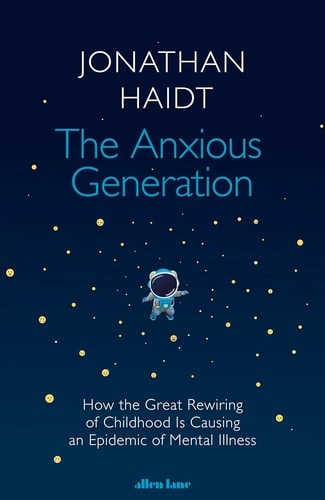
The Anxious Generation
Jonathan Haidt — 2024
A compelling case for why children need more free, unstructured play and less screen time to protect their mental health.
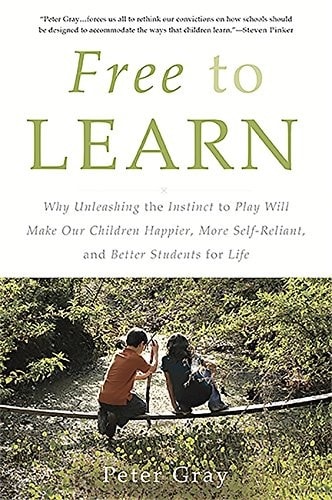
Free to Learn
Peter Gray — 2013
Argues that children are biologically designed to learn through play, and that restricting it harms their development and wellbeing.
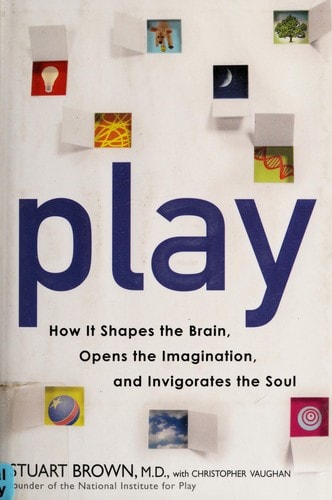
Play
Stuart Brown — 2009
The founder of the National Institute for Play explains how play shapes the brain, opens the imagination, and invigorates the soul.
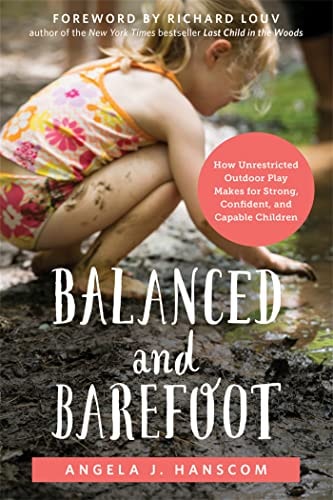
Balanced and Barefoot
Angela J. Hanscom — 2016
An occupational therapist makes the case for unrestricted outdoor play as essential for children's sensory and physical development.
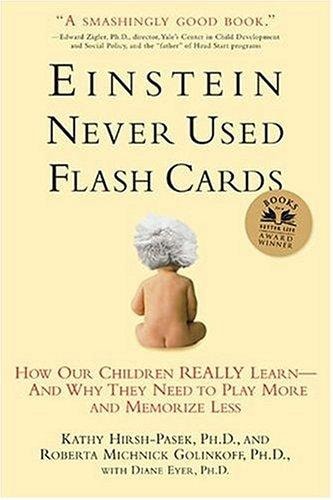
Einstein Never Used Flash Cards
Hirsh-Pasek & Golinkoff — 2003
Research-backed evidence that children learn best through play, not drilling, and why the push for early academics can backfire.
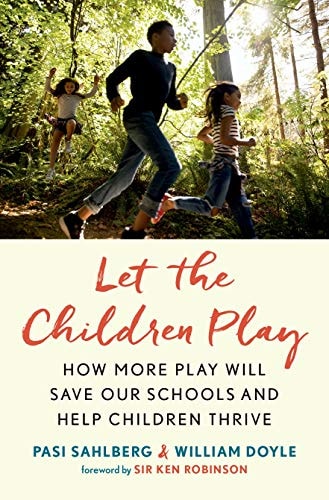
Let the Children Play
Sahlberg & Doyle — 2019
Drawing on Finland's world-leading education system, this book shows how more play leads to better schools and happier children.
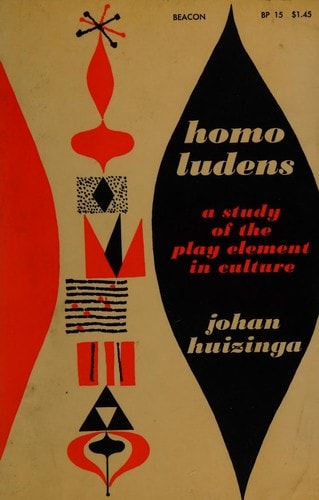
Homo Ludens
Johan Huizinga — 1938
The classic philosophical study of play as a fundamental element of human culture, civilisation, and meaning-making.
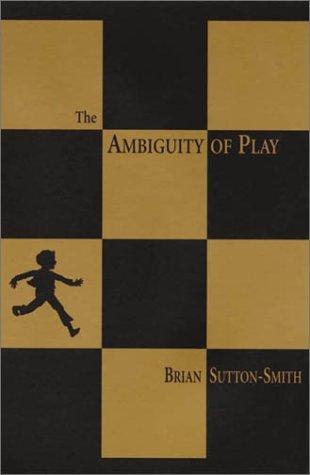
The Ambiguity of Play
Brian Sutton-Smith — 1997
A landmark academic work exploring the many theories of play and why it resists simple definition, yet remains central to human life.
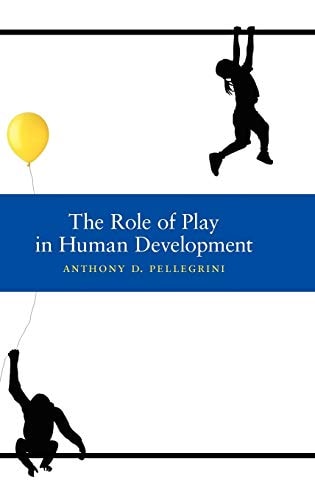
The Role of Play in Human Development
Anthony D. Pellegrini — 2009
A rigorous developmental psychology perspective on how play contributes to cognitive, social, and physical development across childhood.
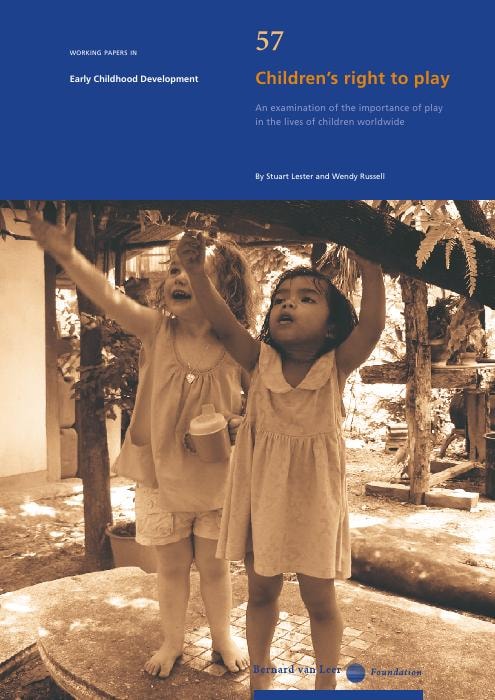
Children's Right to Play
Lester & Russell — 2010
An examination of the importance of play in children's lives worldwide, grounded in the UN Convention on the Rights of the Child.
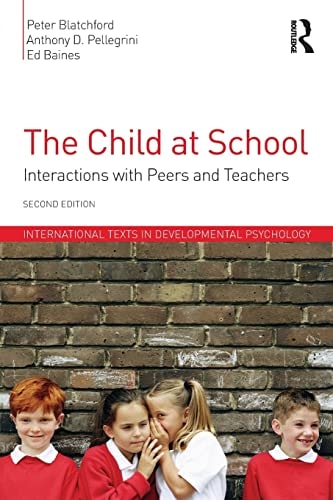
The Child at School
Blatchford, Pellegrini & Baines — 2003
A detailed study of how children interact with peers and teachers at school, with important findings on the social value of breaktime and playground activity.
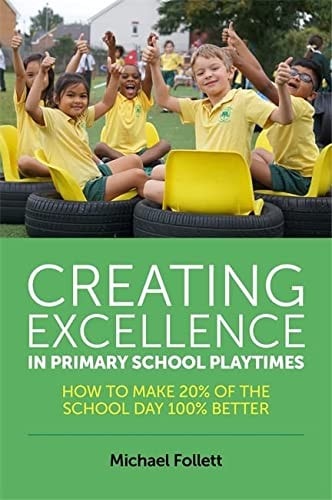
Creating Excellence in Primary School Playtimes
Michael Follett — 2019
A practical, evidence-informed guide to transforming the 20% of the school day spent at playtime into a rich, purposeful experience for every child.
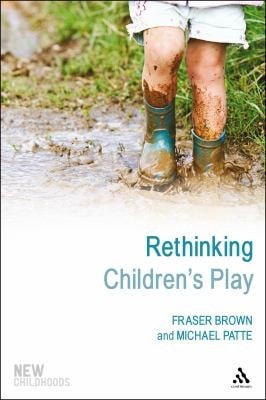
Rethinking Children's Play
Fraser Brown & Michael Patte — 2012
Challenges assumptions about what play is and why it matters, drawing on international perspectives to make the case for protecting children's right to play freely.
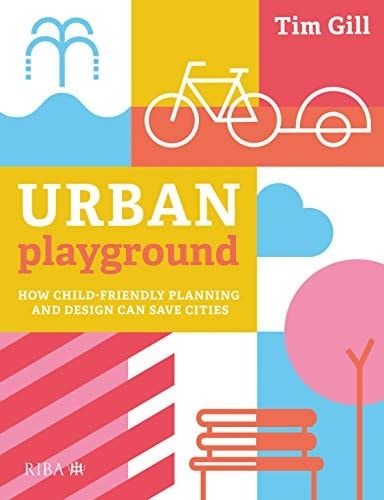
Urban Playground
Tim Gill — 2021
Argues that child-friendly urban design benefits everyone, showing how cities and schools can be reimagined to give children more freedom, space, and opportunity to play.
See the evidence in action
Our programmes are built on this research. See the real outcomes from schools we have worked with.